
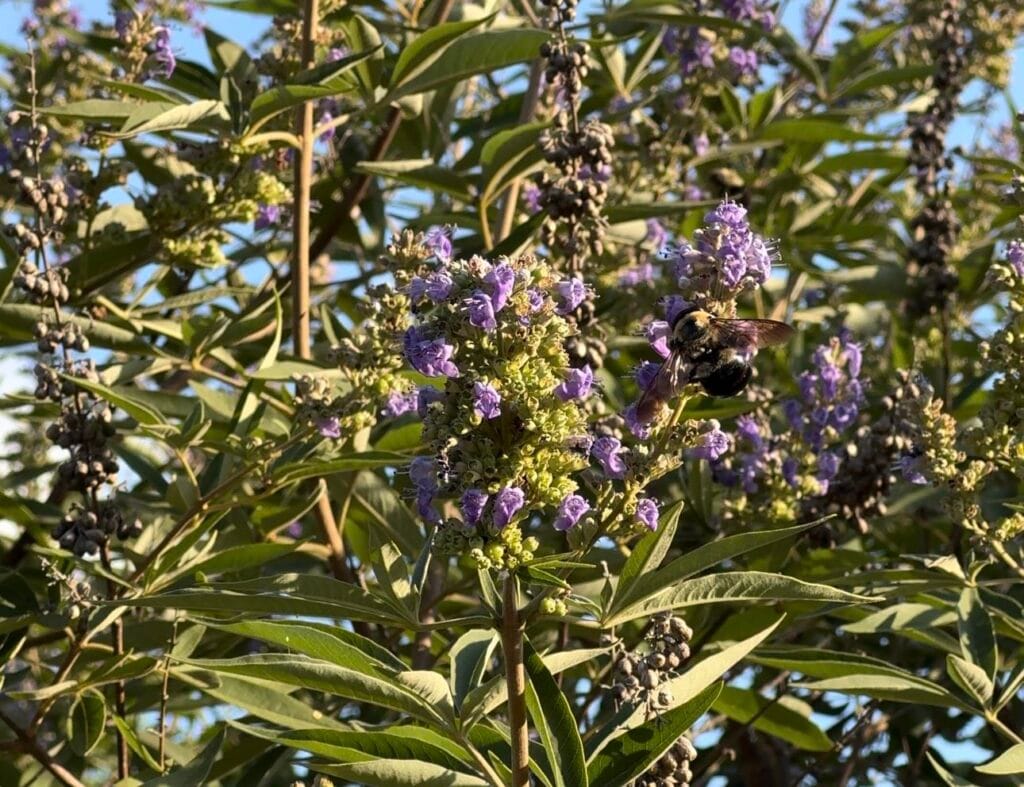
June is National Pollinator Month, a time to celebrate the insects that help plants, flowers, fruits, and vegetables thrive. Pollinators play a critical role in our ecosystems and food supply, with nearly one out of every three bites of food we eat depending on pollination.
Some of the most common pollinators found in North Carolina include honeybees, bumblebees, butterflies, moths, hummingbirds, and even certain beetles. These species help transfer pollen between flowers, allowing plants to reproduce and supporting healthy landscapes and gardens.
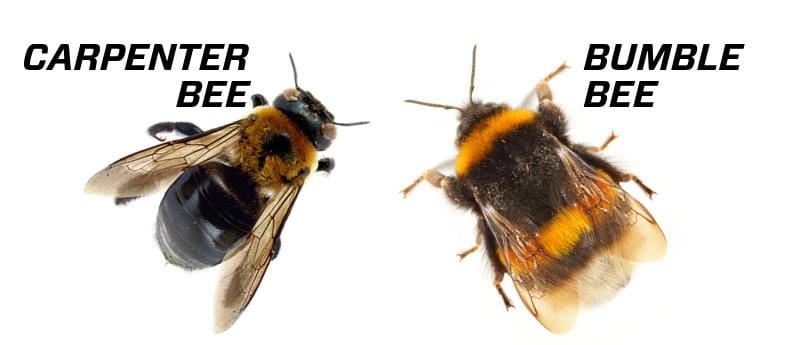
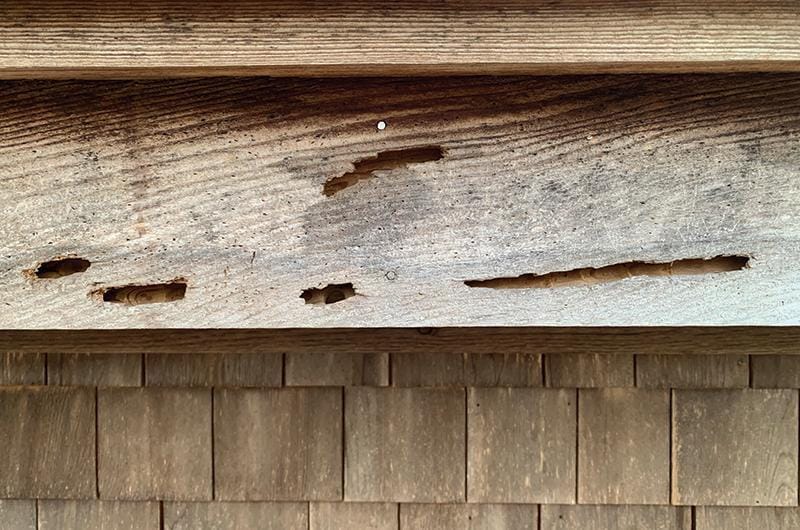
One pollinator that homeowners frequently encounter is the carpenter bee. Often mistaken for a bumblebee, carpenter bees can be identified by their shiny, hairless abdomen. While they are beneficial pollinators, they differ from many other bee species because they nest by tunneling into wood. Decks, fences, railings, soffits, and other exposed wooden structures can become attractive nesting sites.
Carpenter bees do not eat wood, however, repeated nesting activity over time can create cosmetic and structural concerns. Their tunnels may also attract woodpeckers, which can cause additional damage as they search for bee larvae.
This is where professional pest management can help. At Clegg’s Pest Control, we understand the importance of protecting beneficial pollinators while also protecting your home. When carpenter bee activity becomes a problem, our team can identify active nesting areas, recommend appropriate treatment options, and help prevent future infestations through exclusion and preventative measures.
National Pollinator Month is a great reminder that not every insect around your home is a pest. Many provide valuable benefits to our environment. By understanding the difference between beneficial pollinators and insects that may damage your property, homeowners can make informed decisions that support both a healthy ecosystem and a well-protected home.

If you’ve noticed carpenter bees around your home this season, Clegg’s Pest Control is here to help assess the situation and recommend the best course of action.