
What Is the Lone Star Tick?
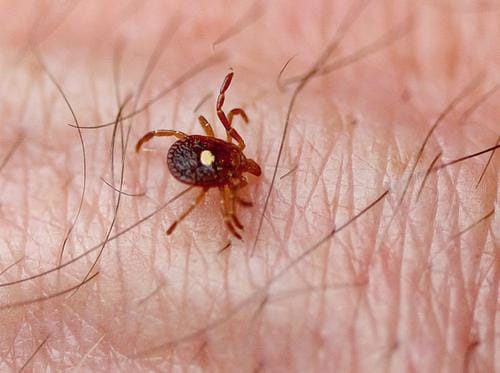
The lone star tick (Amblyomma americanum) is the most frequently encountered tick species in North Carolina. Females are easily identified by a single white spot or “lone star” on the center of their brown backs. Males have scattered white streaks along the edges of their bodies. Adults are about 3–4 mm unfed.
Habitat & Behavior
Lone star ticks are aggressive biters and are active from early spring through late fall in North Carolina. Unlike deer ticks that wait passively, lone star ticks actively pursue hosts by moving toward carbon dioxide and movement. All three life stages—larva, nymph, and adult—readily bite humans.
Lone star tick bites can transmit ehrlichiosis, tularemia, and STARI (Southern Tick-Associated Rash Illness), which causes a bull’s-eye rash similar to Lyme disease. Importantly, lone star tick bites have also been linked to alpha-gal syndrome—an allergic reaction to red meat and other mammalian products that can develop weeks after a bite.
Prevention & Control
Protect yourself with EPA-registered repellents (DEET on skin, permethrin on clothing), wear long sleeves and pants in tick habitat, and perform thorough tick checks after outdoor activities. Around your property, keep grass mowed, remove leaf litter, and consider professional tick treatment for yards bordering wooded areas.