
German Cockroach
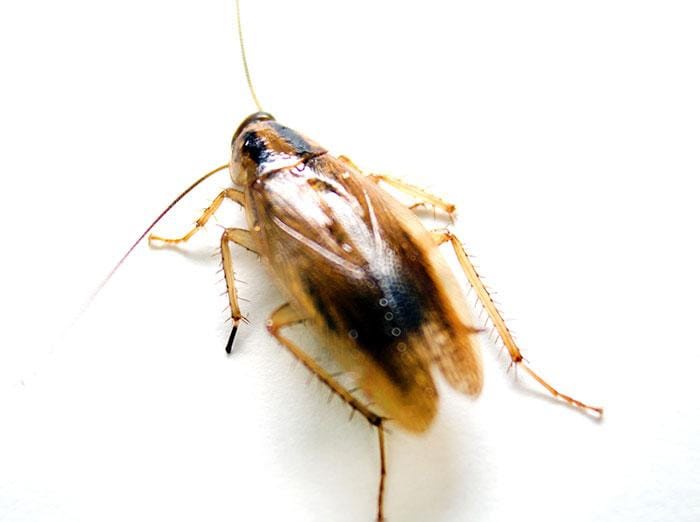
What Is the German Cockroach? The German cockroach (Blattella germanica) is the most common indoor cockroach species in North Carolina and arguably the most troublesome pest in homes, apartments, and commercial kitchens. Adults are light brown with two dark parallel stripes on their pronotum and measure about 13–16 mm long. Habitat & Behavior German cockroaches […]
Fruit Fly
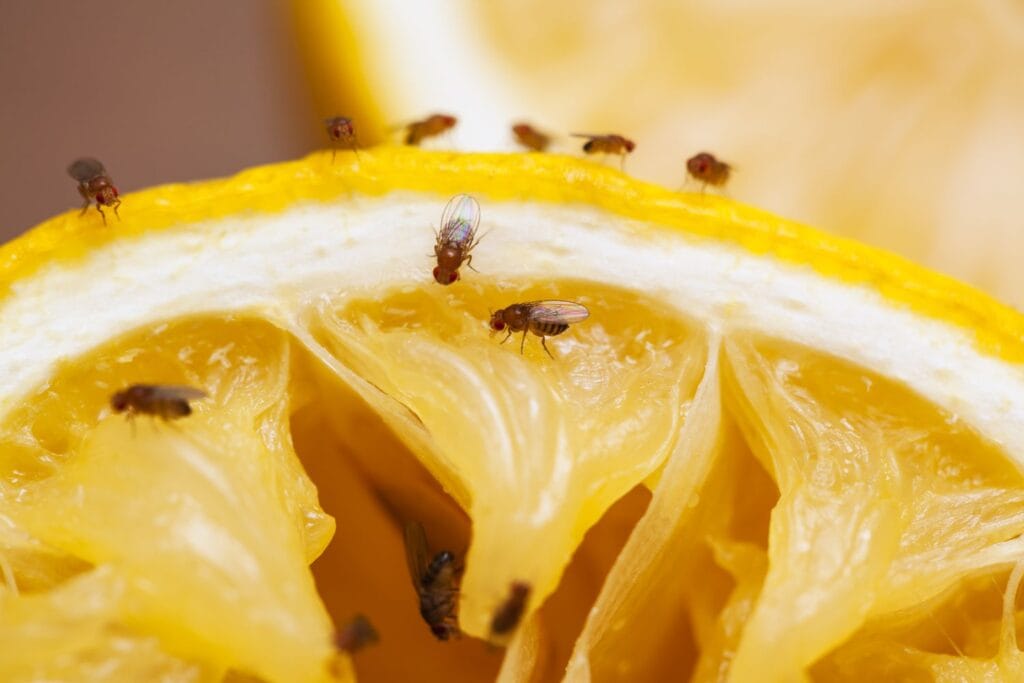
What Is the Fruit Fly? Fruit flies (Drosophila melanogaster) are tiny flies, about 3 mm long, with tan or brownish bodies and distinctive red eyes. They are one of the most common kitchen pests in North Carolina and can seemingly appear overnight whenever ripe or fermenting fruit is left out. Habitat & Behavior Fruit flies […]
Firebrat
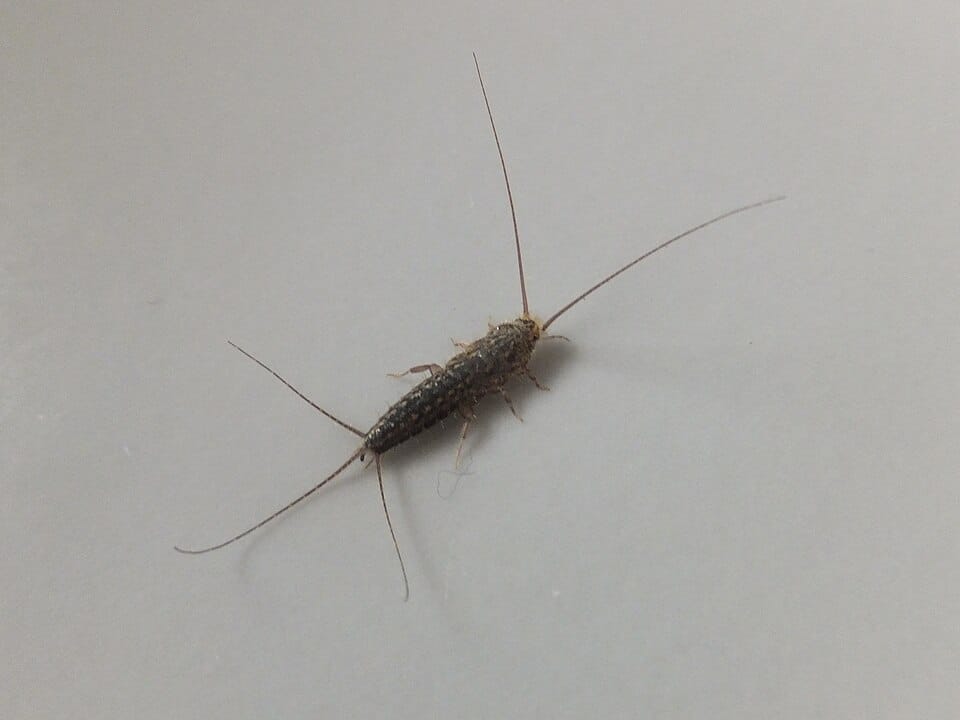
What Is the Firebrat? The firebrat (Thermobia domestica) is a close relative of the silverfish but prefers much warmer environments. Firebrats are about 12 mm long with a mottled gray and brown appearance and three long tail-like appendages. They are fast runners and are primarily active at night. Habitat & Behavior True to their name, […]
Fire Ants

What Are Fire Ants? Red imported fire ants (Solenopsis invicta) are an aggressive, invasive species well-established throughout North Carolina. These reddish-brown ants are small (1–5 mm) but are known for their painful, burning stings. Their mounds are distinctive dome-shaped piles of loose soil that can reach 18 inches high and 24 inches across. Habitat & […]
Field Crickets
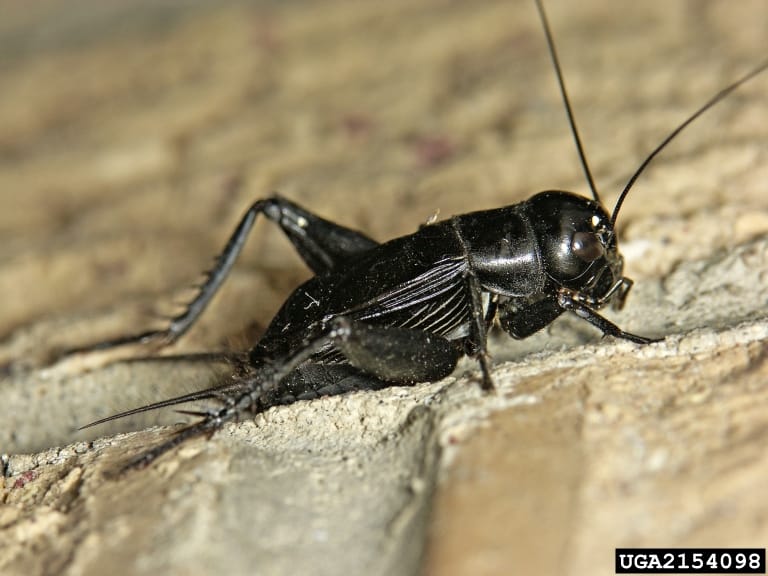
What Are Field Crickets? Field crickets (Gryllus spp.) are common outdoor insects in North Carolina that occasionally invade homes, especially in late summer and fall. Adults are dark brown to black, about 15–25 mm long, with long antennae and prominent hind legs adapted for jumping. Habitat & Behavior Male field crickets produce the familiar chirping […]
Field Ants
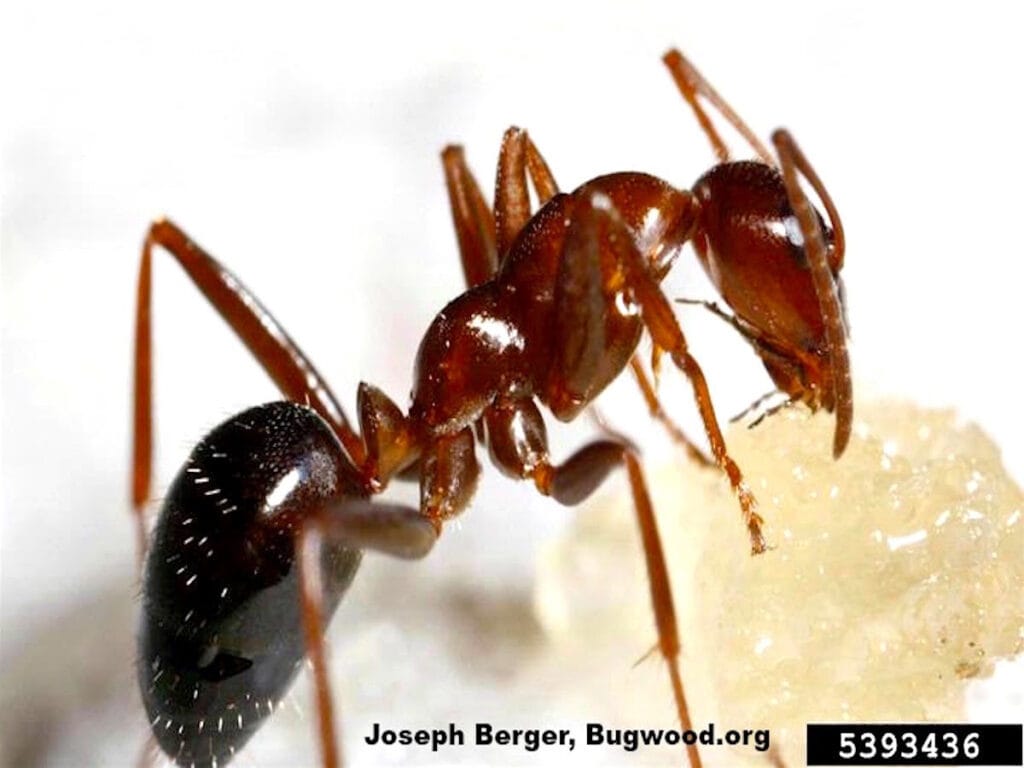
What Are Field Ants? Field ants (Formica spp.) are medium to large ants found throughout North Carolina, measuring 4–8 mm long. They vary widely in color from black to brown, red, or a combination. They are sometimes confused with carpenter ants due to their similar size. Habitat & Behavior Field ants build large mound nests […]
Drywood Termites
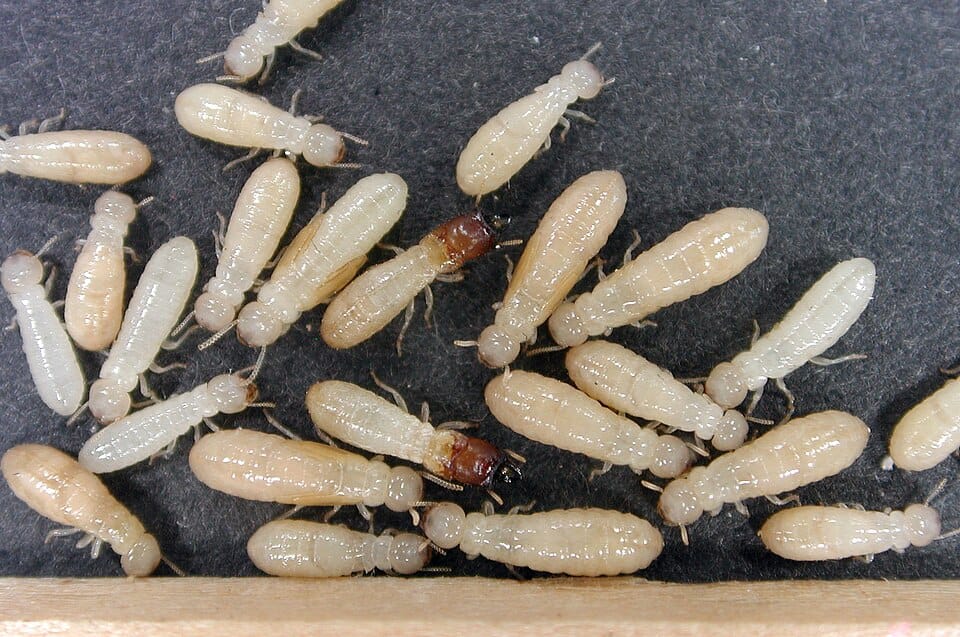
What Are Drywood Termites? Drywood termites (Cryptotermes and Incisitermes spp.) differ from subterranean termites in that they live entirely within the wood they consume, requiring no contact with soil. They extract moisture directly from the wood and the humidity in the air, allowing them to infest wood well above ground level. Habitat & Behavior In […]
Dog Fleas
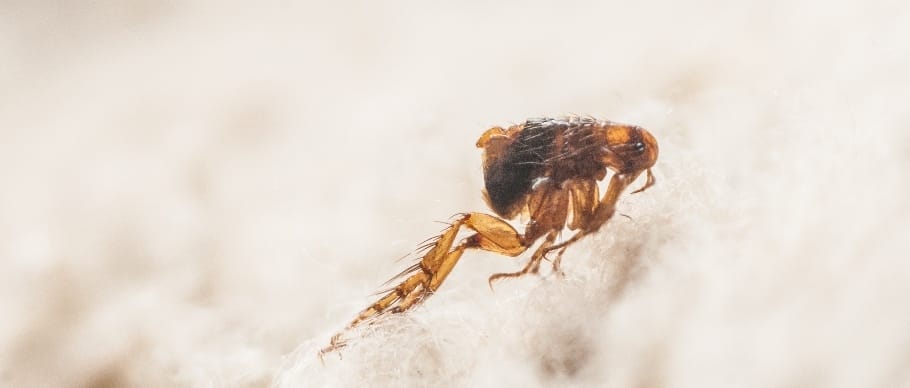
What Are Dog Fleas? The dog flea (Ctenocephalides canis) is closely related to the cat flea and is occasionally found in North Carolina, though the cat flea is far more common on both dogs and cats. Dog fleas are small (1–3 mm), dark reddish-brown, and laterally flattened for moving through fur. Habitat & Behavior Dog […]
Deer Tick
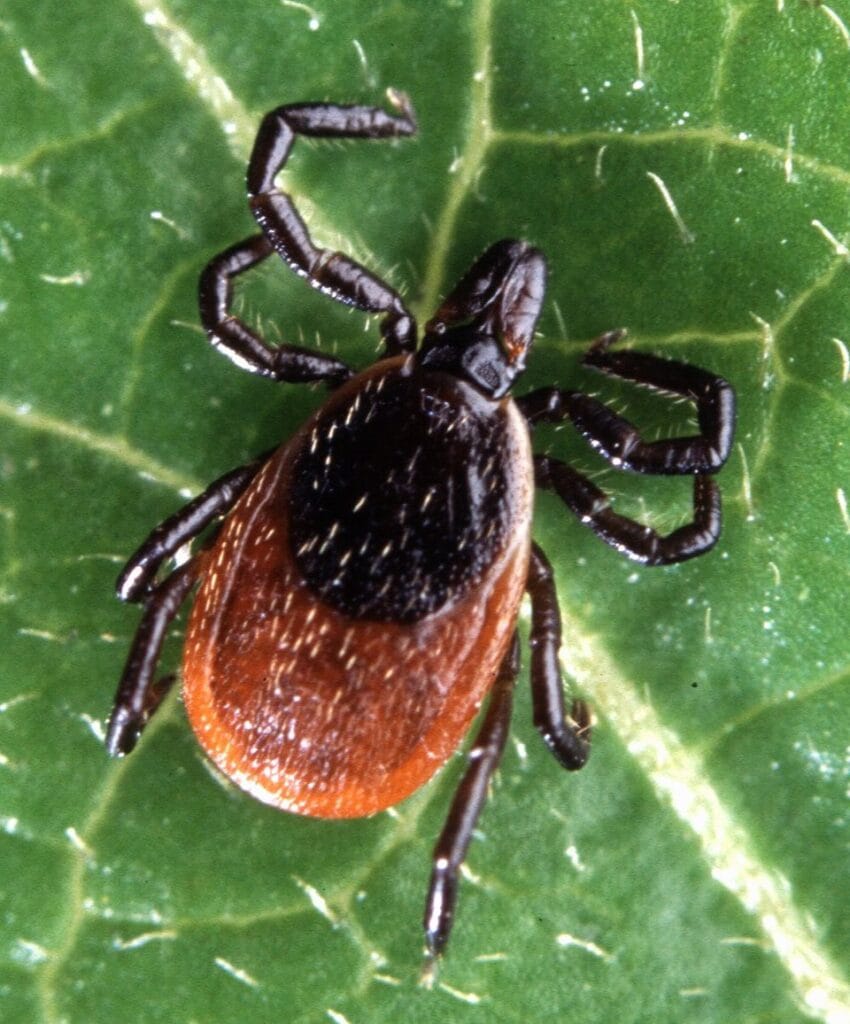
What Is the Deer Tick? The deer tick (Ixodes scapularis), also known as the blacklegged tick, is the primary vector for Lyme disease in North Carolina. Adults are very small—about 3 mm unfed—with a dark brown or black shield and reddish-orange body. Nymphs are even smaller, roughly the size of a poppy seed. Habitat & […]
Crazy Ants
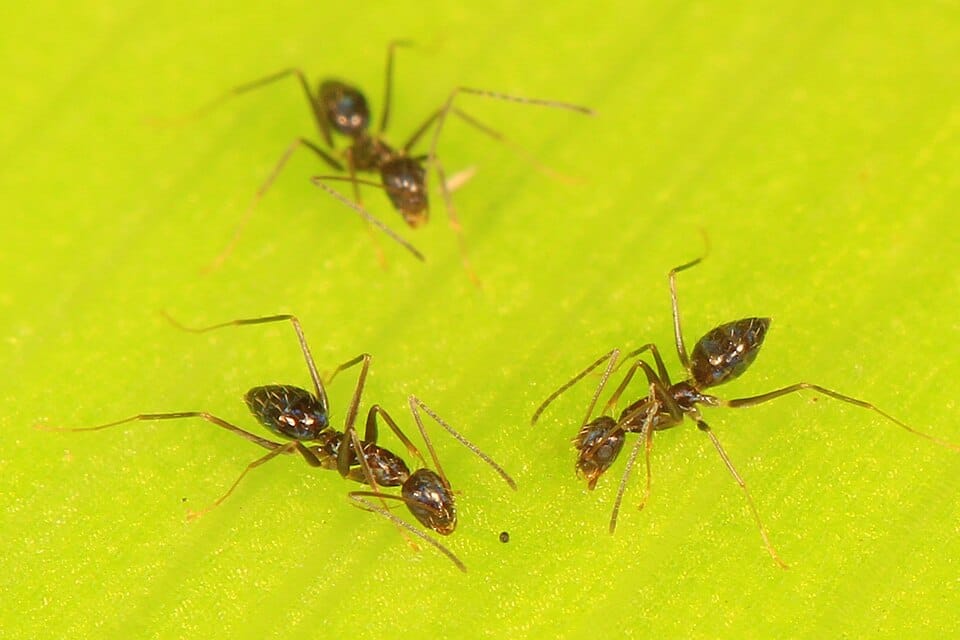
What Are Crazy Ants? Crazy ants (Paratrechina longicornis) get their name from their erratic, rapid, and seemingly aimless running behavior. These small ants are dark brown to black, about 2–3 mm long, with extremely long legs and antennae relative to their body size. Habitat & Behavior In North Carolina, crazy ants are found both indoors […]