
Carpenter Bees
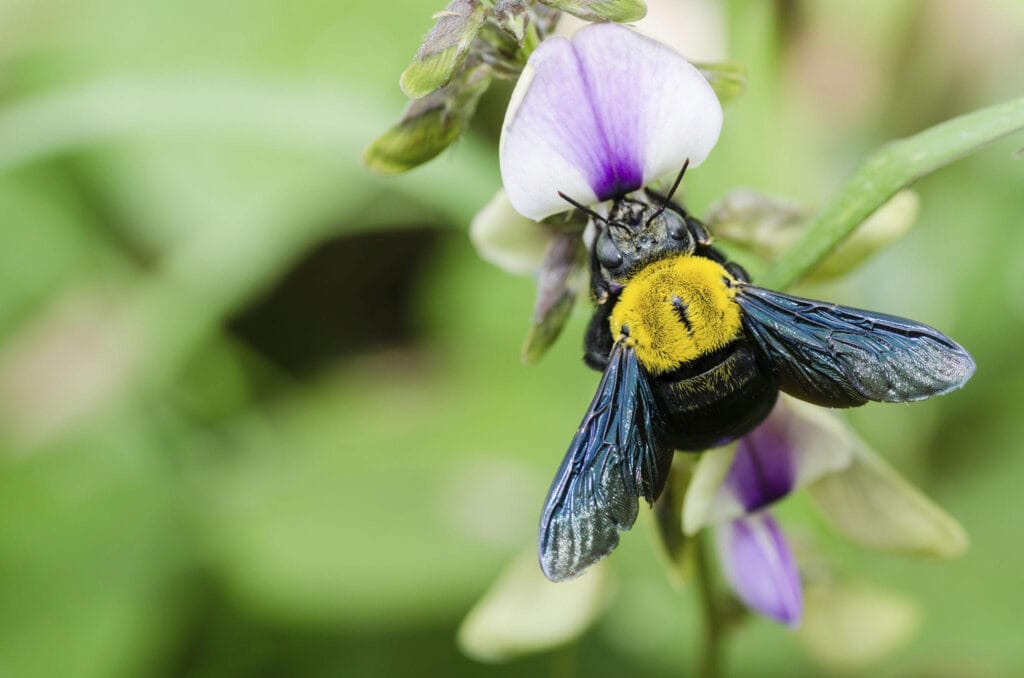
What Are Carpenter Bees? Carpenter bees (Xylocopa virginica) are large, robust bees commonly seen in North Carolina from April through October. They closely resemble bumble bees but can be distinguished by their smooth, shiny black abdomen, unlike the fuzzy abdomen of bumble bees. Adults are about 1 inch long. Habitat & Behavior Female carpenter bees […]
Carpenter Ants

What Are Carpenter Ants? Carpenter ants (Camponotus spp.) are among the largest ants in North Carolina, with workers measuring 6–13 mm long. They are typically black, though some species may be reddish or bicolored. Unlike termites, carpenter ants do not eat wood—they excavate it to create smooth, galleries for their nests. Habitat & Behavior These […]
Camel Crickets
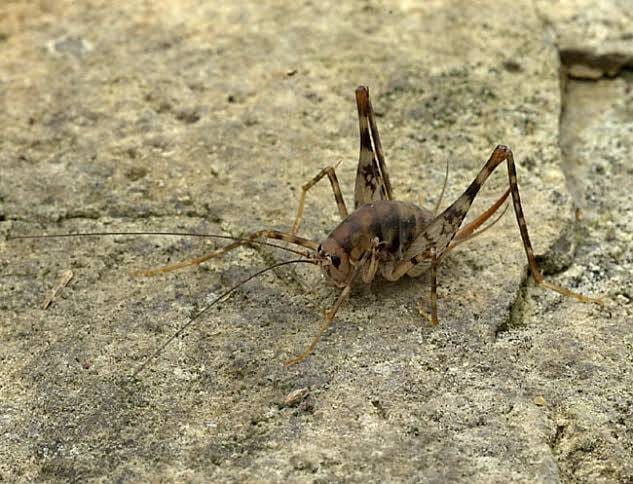
What Are Camel Crickets? Camel crickets (family Rhaphidophoridae), also called cave crickets or spider crickets, are common household pests in North Carolina. They have a distinctive humpbacked appearance with very long legs and antennae, and are light to dark brown in color. Adults can reach up to 1.5 inches in body length. Habitat & Behavior […]
California Lady Beetle
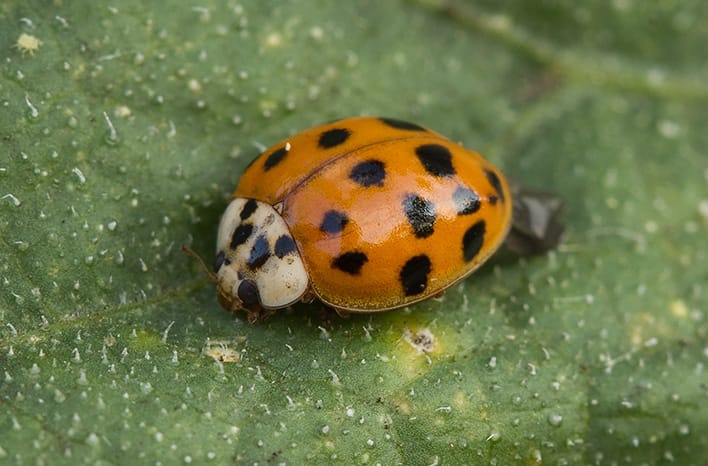
What Is the California Lady Beetle? The California lady beetle (Coccinella californica) is a native ladybug species occasionally found in North Carolina. These small, dome-shaped beetles are typically red-orange with no spots or very faint markings, distinguishing them from the more common spotted lady beetles. Habitat & Behavior California lady beetles are beneficial predators that […]
Brown-banded Cockroach

What Is the Brown-banded Cockroach? The brown-banded cockroach (Supella longipalpa) is one of the smaller cockroach species found in North Carolina homes, measuring about 10–14 mm long. They are light brown with two distinctive lighter bands running across their wings and abdomen, giving them their name. Habitat & Behavior Unlike other cockroach species that prefer […]
Brown Recluse Spider
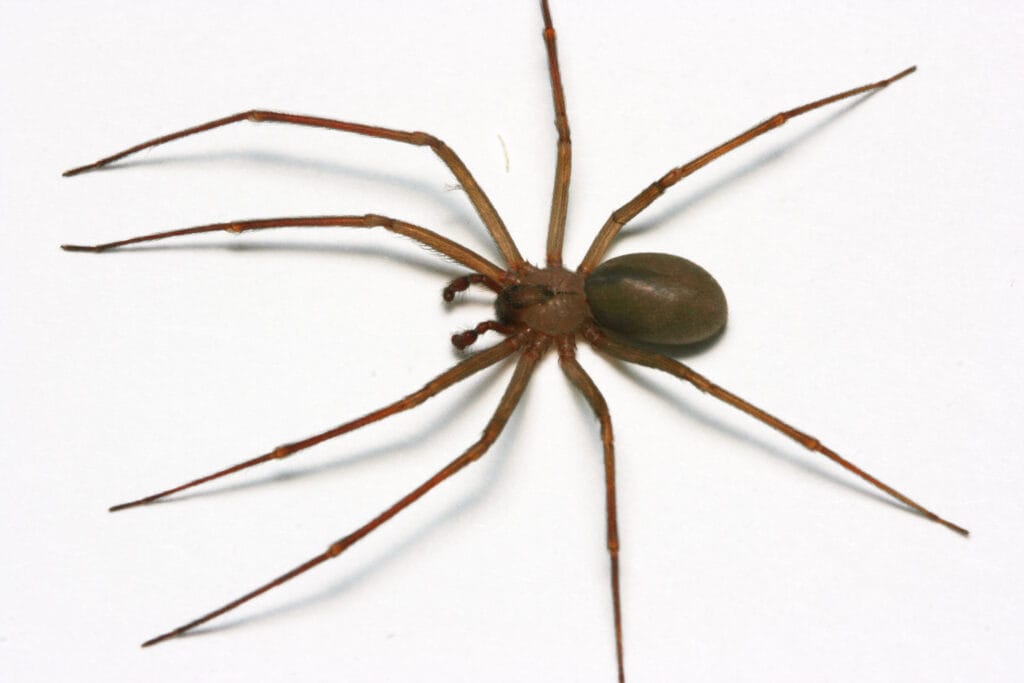
What Is the Brown Recluse Spider? The brown recluse spider (Loxosceles reclusa) is a medically important spider found in parts of western North Carolina. Light to dark brown in color, it is identified by the distinctive violin-shaped marking on its cephalothorax and its six eyes arranged in three pairs—unlike most spiders which have eight eyes. […]
Black Widow Spiders
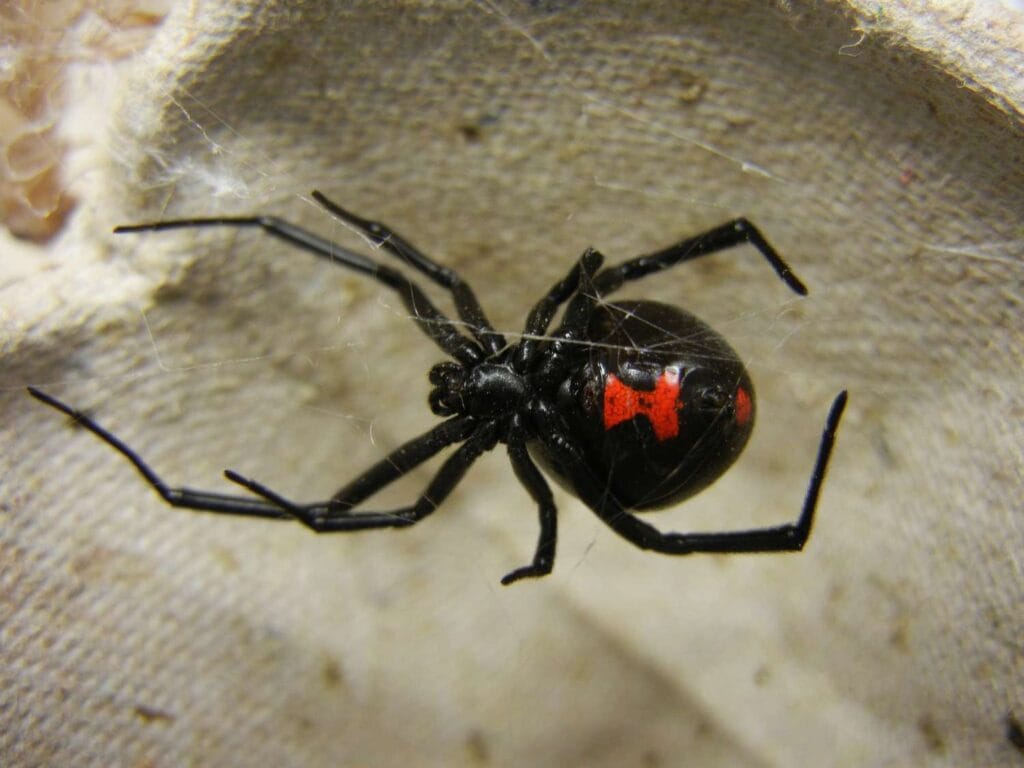
What Are Black Widow Spiders? Black widow spiders (Latrodectus mactans) are the most medically significant spiders in North Carolina. Females are glossy black with a distinctive red hourglass marking on the underside of their abdomen. They measure about 1.5 inches including legs, while males are much smaller and rarely bite. Habitat & Behavior Black widows […]
Big-headed Ants
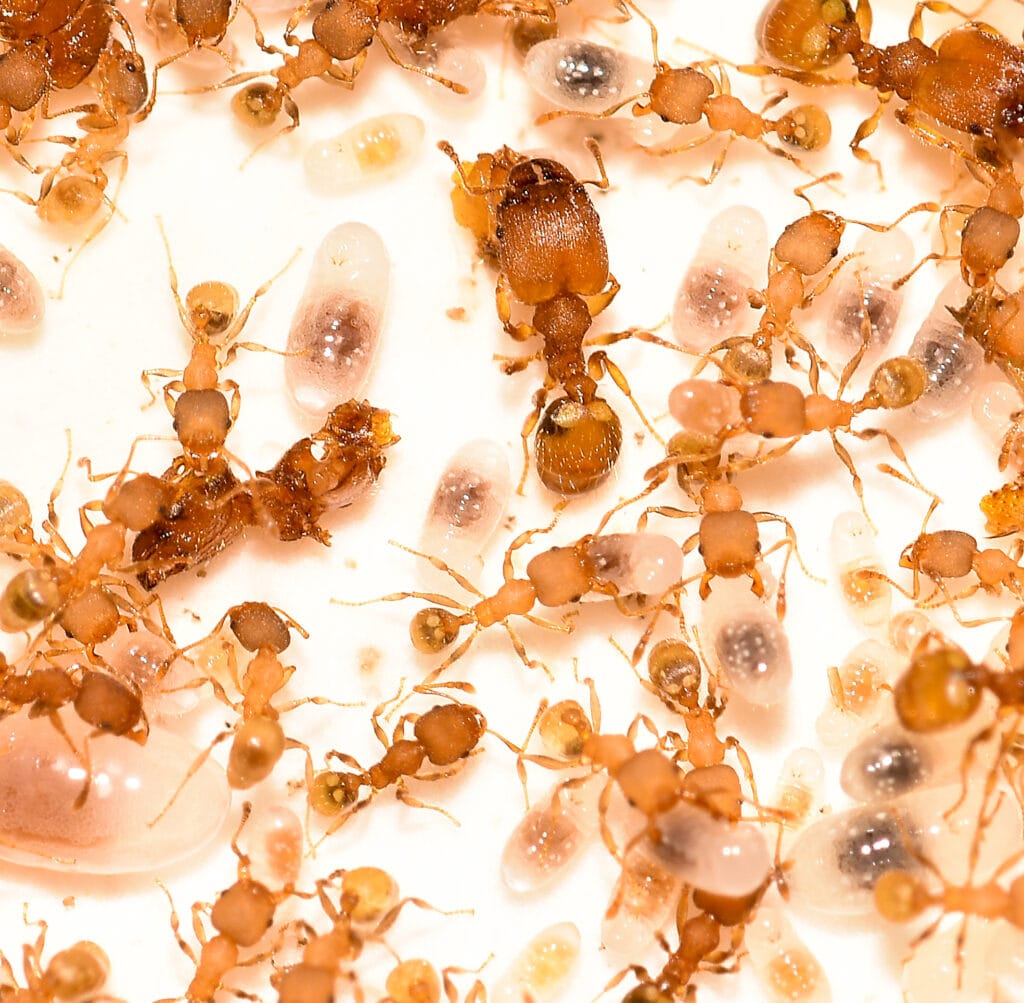
What Are Big-headed Ants? Big-headed ants (Pheidole megacephala) are named for the disproportionately large heads of their major worker caste, also called “soldiers.” Minor workers are small and light brown, while majors have noticeably oversized heads used for crushing seeds and defending the colony. Habitat & Behavior Originally from Africa, big-headed ants have become established […]
Big Dipper Firefly
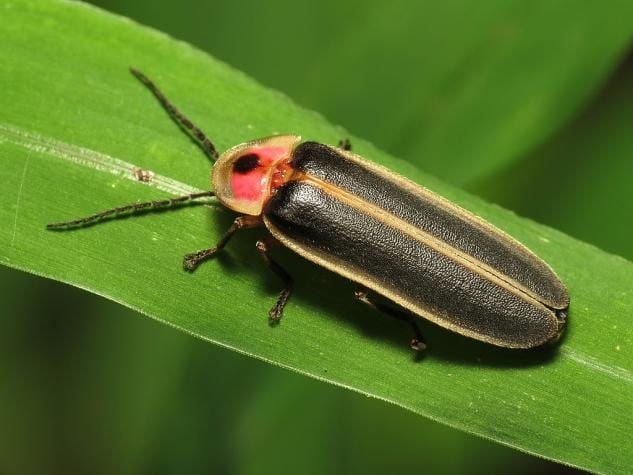
What Is the Big Dipper Firefly? The big dipper firefly (Photinus pyralis) is the most common firefly species in North Carolina and is responsible for the familiar blinking lights seen on warm summer evenings. Adults are about 10–14 mm long with a dark brown or black body and a distinctive red-orange pronotum edged in yellow. […]
Bat Bug

What Is the Bat Bug? Bat bugs (Cimex adjunctus) are close relatives of bed bugs and are nearly identical in appearance, making them difficult to distinguish without magnification. The key difference is that bat bugs have longer hairs on their upper thorax compared to bed bugs. Habitat & Behavior As their name suggests, bat bugs […]