
Little Black Ants
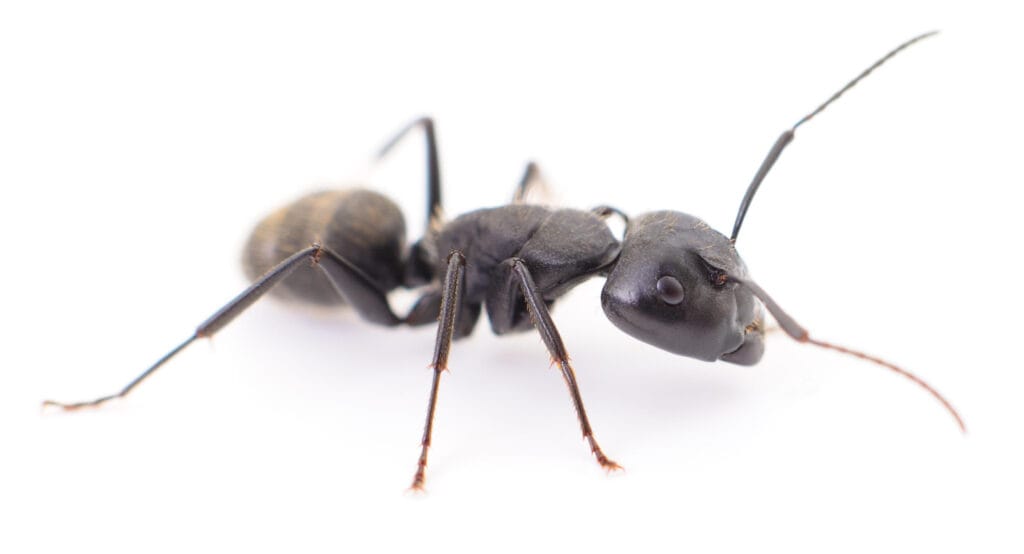
What Are Little Black Ants? Little black ants (Monomorium minimum) are among the most common household ants in North Carolina. True to their name, they are very small (about 1.5 mm) and uniformly dark brown to jet black. They form orderly single-file trails along baseboards, countertops, and cabinet edges. Habitat & Behavior These ants nest […]
Japanese Beetle
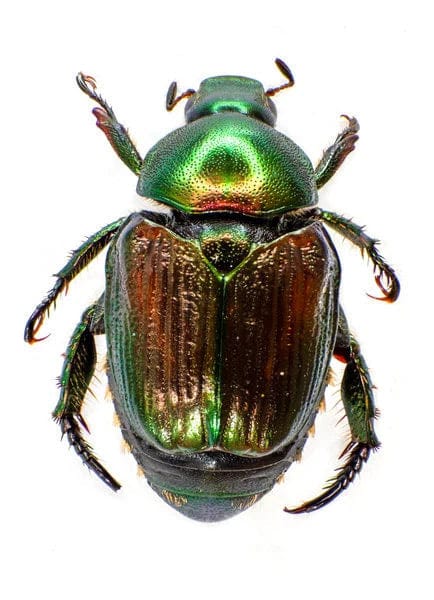
What Is the Japanese Beetle? Japanese beetles (Popillia japonica) are a destructive invasive pest in North Carolina, attacking over 300 plant species. Adults are about 10 mm long with a metallic green head and thorax, copper-brown wing covers, and distinctive tufts of white hair along the sides of their abdomen. Habitat & Behavior Adult Japanese […]
Indianmeal Moth
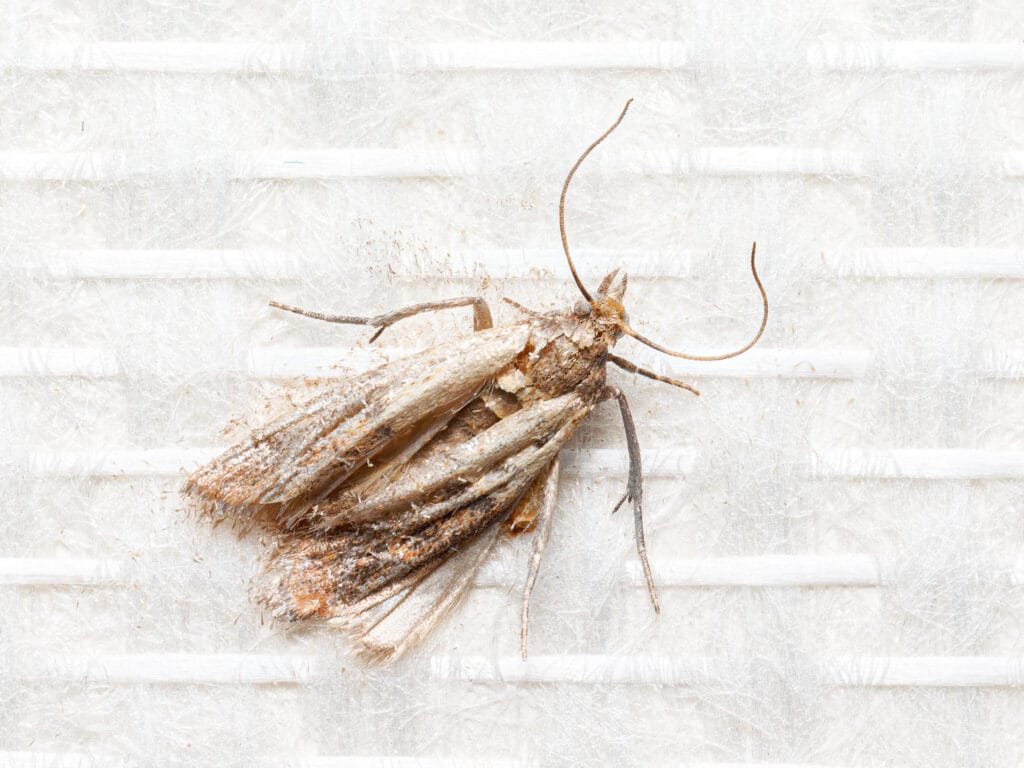
What Is the Indianmeal Moth? The Indianmeal moth (Plodia interpunctella) is the most common stored-product pest in North Carolina homes. Adults have distinctive two-toned wings—the outer half is reddish-brown or copper while the inner half near the body is pale gray. They measure about 8–10 mm long with a wingspan of 16–20 mm. Habitat & […]
Housefly

What Is the Housefly? The common housefly (Musca domestica) is one of the most widespread pests in North Carolina. Adults are gray with four dark stripes on their thorax, measure about 6–7 mm long, and have large reddish compound eyes. They are strong fliers, capable of traveling several miles from their breeding site. Habitat & […]
House Spiders
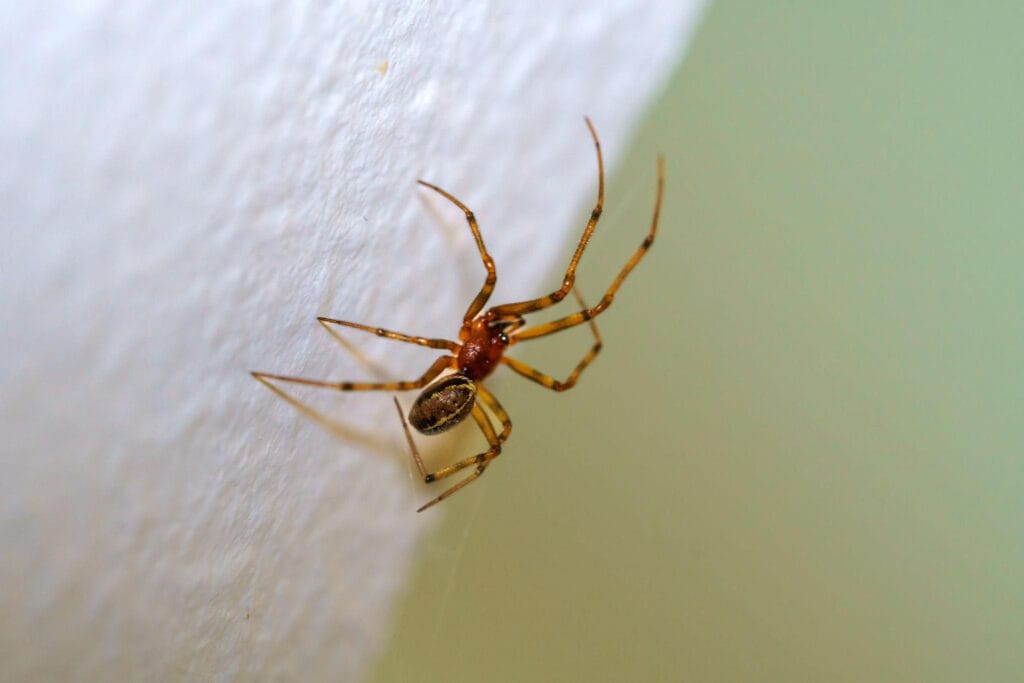
What Are House Spiders? The common house spider (Parasteatoda tepidariorum) is the spider most frequently found inside North Carolina homes. They are small (5–8 mm body length), yellowish-brown with faint markings, and build irregular, tangled cobwebs in corners, window frames, basements, garages, and attics. Habitat & Behavior House spiders are beneficial predators that feed on […]
House Crickets
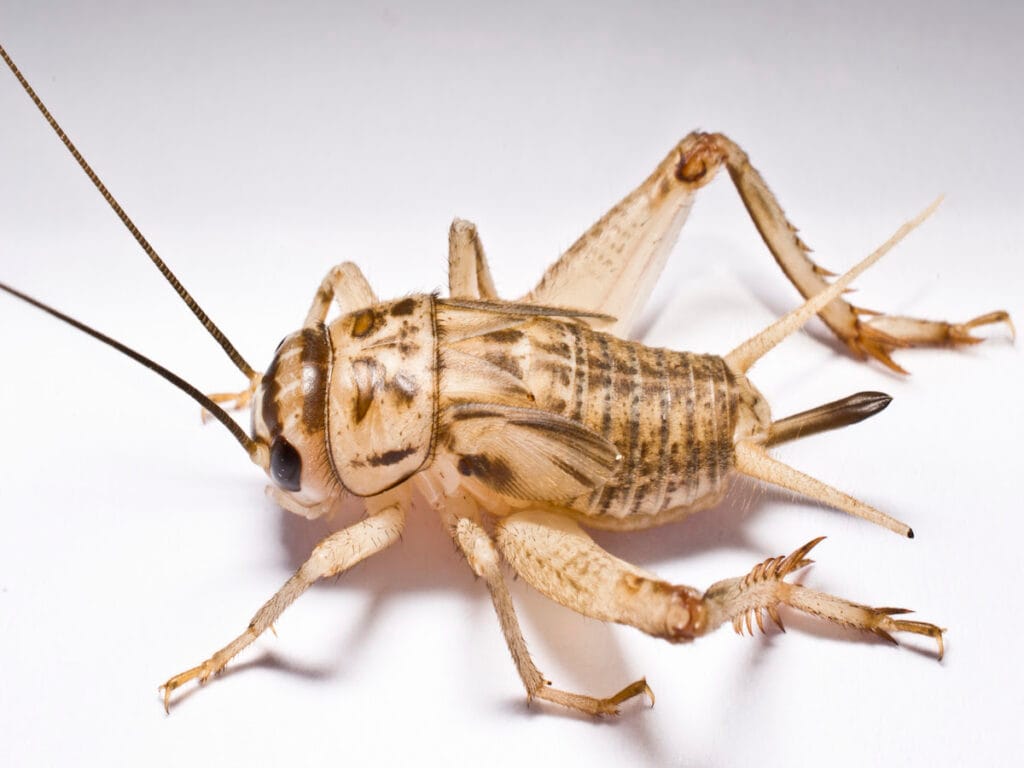
What Are House Crickets? House crickets (Acheta domesticus) are light yellowish-brown with three dark bands on their head and measure about 16–22 mm long. Originally from Asia, they are now common throughout North Carolina and are well adapted to living inside heated buildings year-round. Habitat & Behavior Male house crickets produce a loud, continuous chirping […]
Hornets

What Are Hornets? Hornets, including the bald-faced hornet (Dolichovespula maculata) and European hornet (Vespa crabro), are large social wasps found throughout North Carolina. Bald-faced hornets are black with white facial markings, while European hornets are brown with yellow markings and are active at night—unusual for wasps. Habitat & Behavior Bald-faced hornets build large, enclosed, gray […]
Honeybees
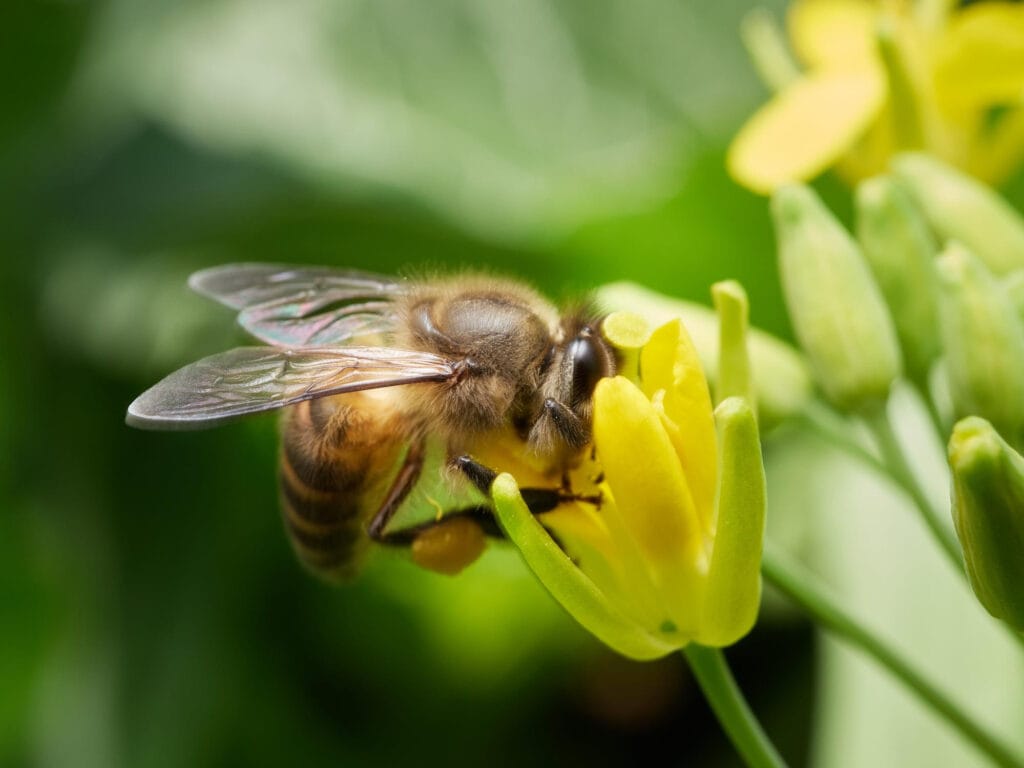
What Are Honeybees? Honeybees (Apis mellifera) are among the most important pollinators in North Carolina, essential for agriculture and ecosystem health. Workers are about 15 mm long, golden-brown with darker bands, and covered in fine hair. They are generally docile and sting only when defending their hive or when stepped on. Habitat & Behavior While […]
Gypsy Moths
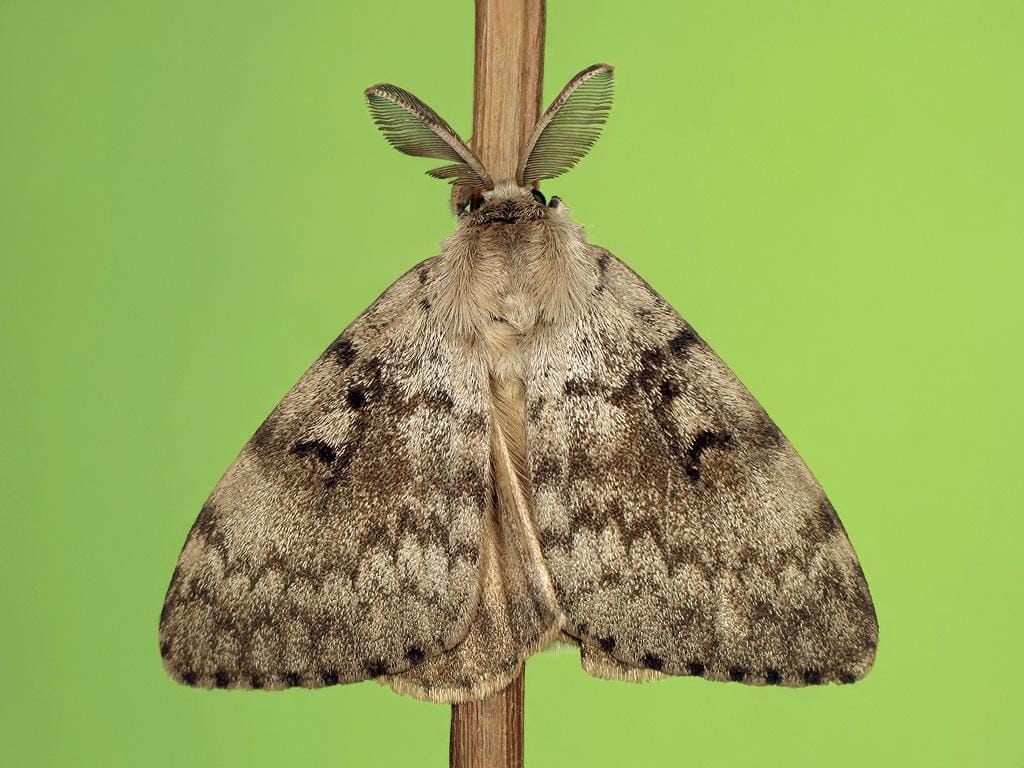
What Are Gypsy Moths? The spongy moth (Lymantria dispar), formerly known as the gypsy moth, is an invasive forest pest that has spread into parts of North Carolina. Male moths are brown with darker markings and can fly, while females are white with dark chevron markings and are flightless. Caterpillars are hairy with distinctive pairs […]
Ghost Ants

What Are Ghost Ants? Ghost ants (Tapinoma melanocephalum) are tiny ants (about 1.5 mm) named for their pale, almost translucent legs and abdomen that make them difficult to see. Their dark head and thorax appear to float, giving them a ghostly appearance. They are among the smallest ants found in North Carolina homes. Habitat & […]