
Wolf Spiders
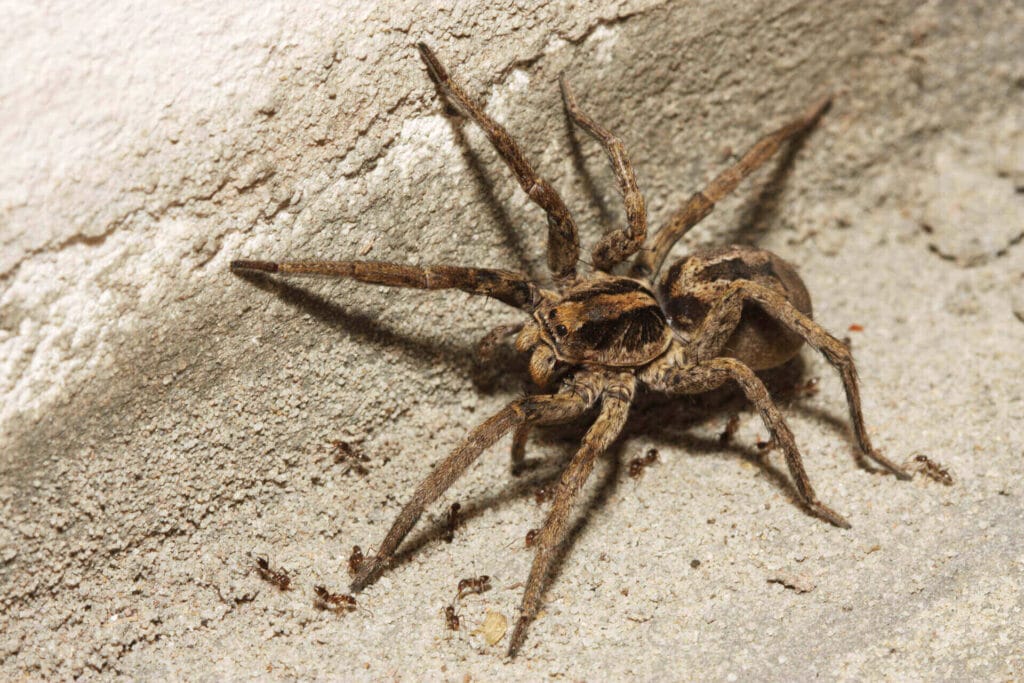
What Are Wolf Spiders? Wolf spiders (family Lycosidae) are large, robust spiders commonly found in North Carolina. They range from 10–35 mm in body length, are brown or gray with darker markings, and have a distinctive eye arrangement—two large eyes on top, two medium eyes in front, and four small eyes in a row below. […]
White-footed Ants
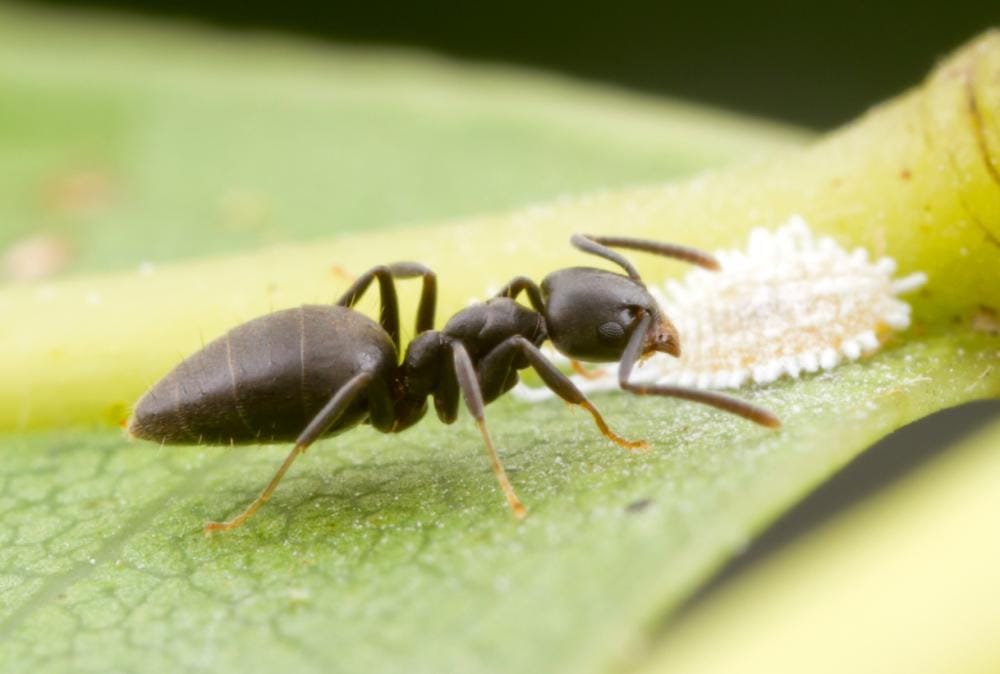
What Are White-footed Ants? White-footed ants (Technomyrmex difficilis) are small (about 2.5–3 mm), dark brown to black ants with distinctive pale yellowish-white feet. Originally from Asia, they have become established in coastal areas of North Carolina and are considered an emerging pest species. Habitat & Behavior White-footed ant colonies are enormous—a single colony can contain […]
Tropical Bed Bug
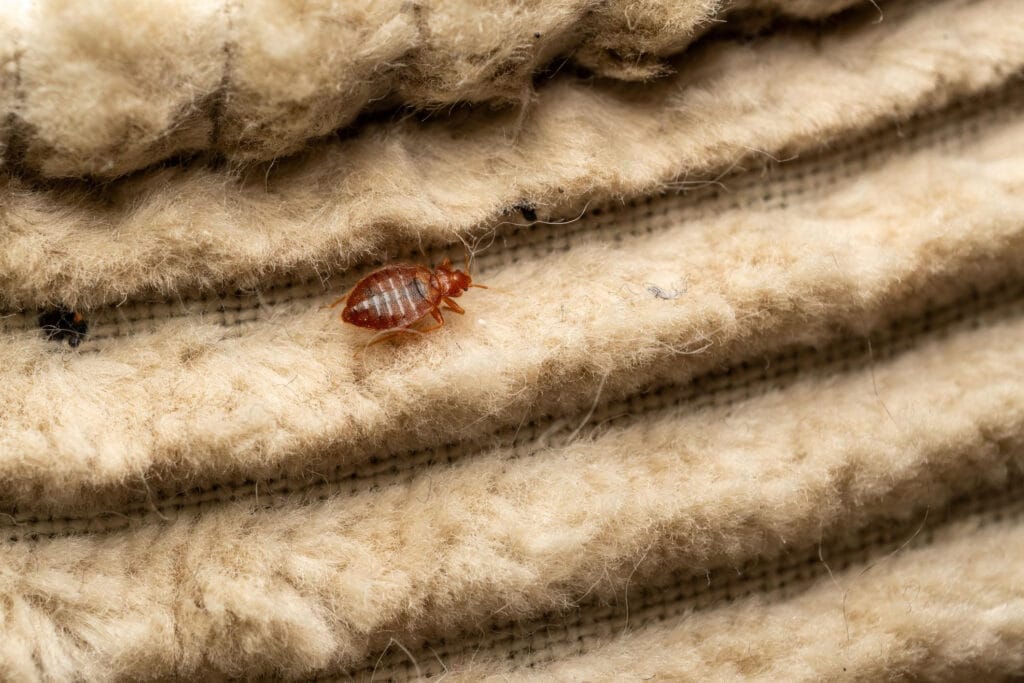
What Is the Tropical Bed Bug? The tropical bed bug (Cimex hemipterus) is a close relative of the common bed bug that is occasionally found in North Carolina, particularly in warmer coastal and urban areas. It is nearly identical to the common bed bug in size and appearance—flat, oval, reddish-brown, and about the size of […]
Thief Ants
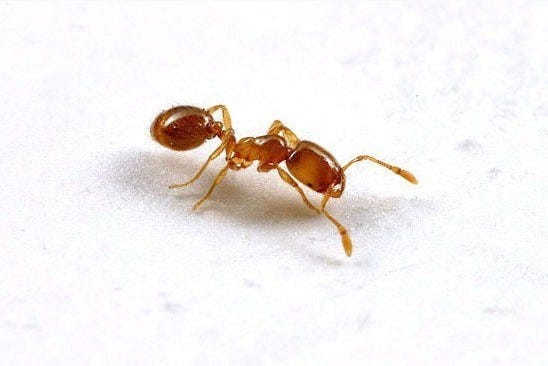
What Are Thief Ants? Thief ants (Solenopsis molesta) are among the smallest ants in North Carolina, measuring only 1–1.5 mm long. They are pale yellow to light brown and can be difficult to see with the naked eye. They get their name from their habit of nesting near larger ant colonies and stealing their food […]
Subterranean Termites
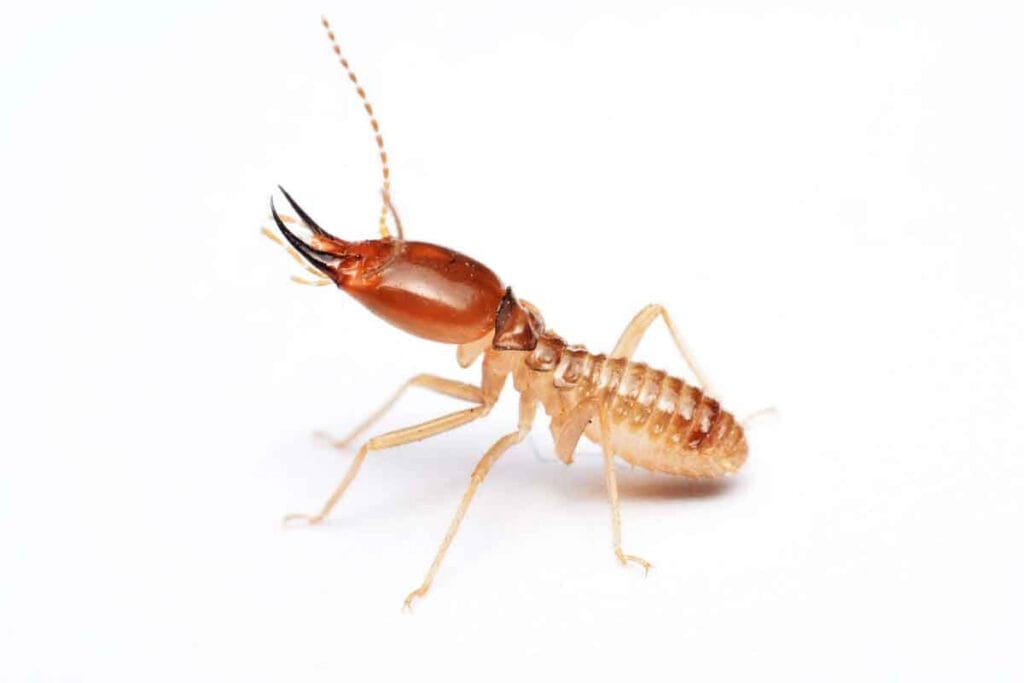
What Are Subterranean Termites? Eastern subterranean termites (Reticulitermes flavipes) are the most destructive wood-destroying pest in North Carolina, responsible for more property damage than fires, floods, and storms combined. Colonies live underground and can contain hundreds of thousands to over a million individuals. Habitat & Behavior These termites build distinctive mud tubes (about pencil-width) from […]
Stag Beetle
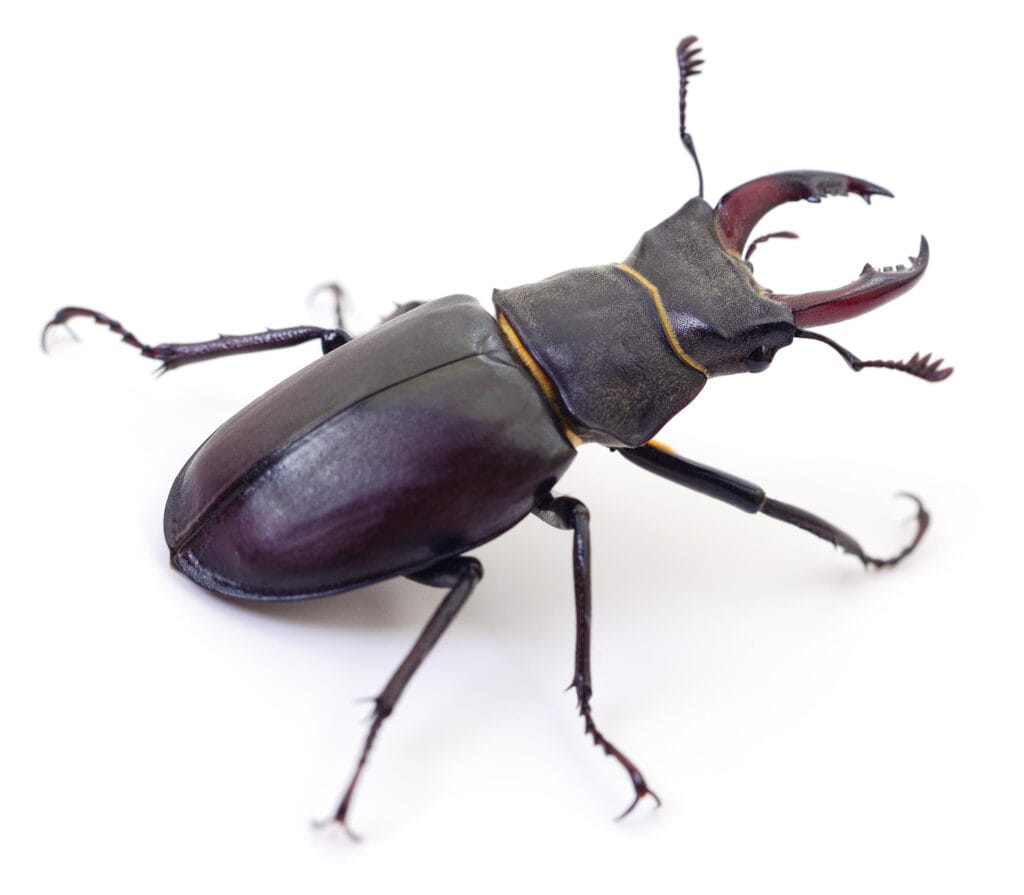
What Is the Stag Beetle? Stag beetles (family Lucanidae) are large, impressive beetles found in North Carolina’s wooded areas. Males are notable for their oversized, antler-like mandibles used in combat with other males over mating rights. Adults range from 20–60 mm depending on species, and are typically dark brown to black with a glossy sheen. […]
Silkmoth
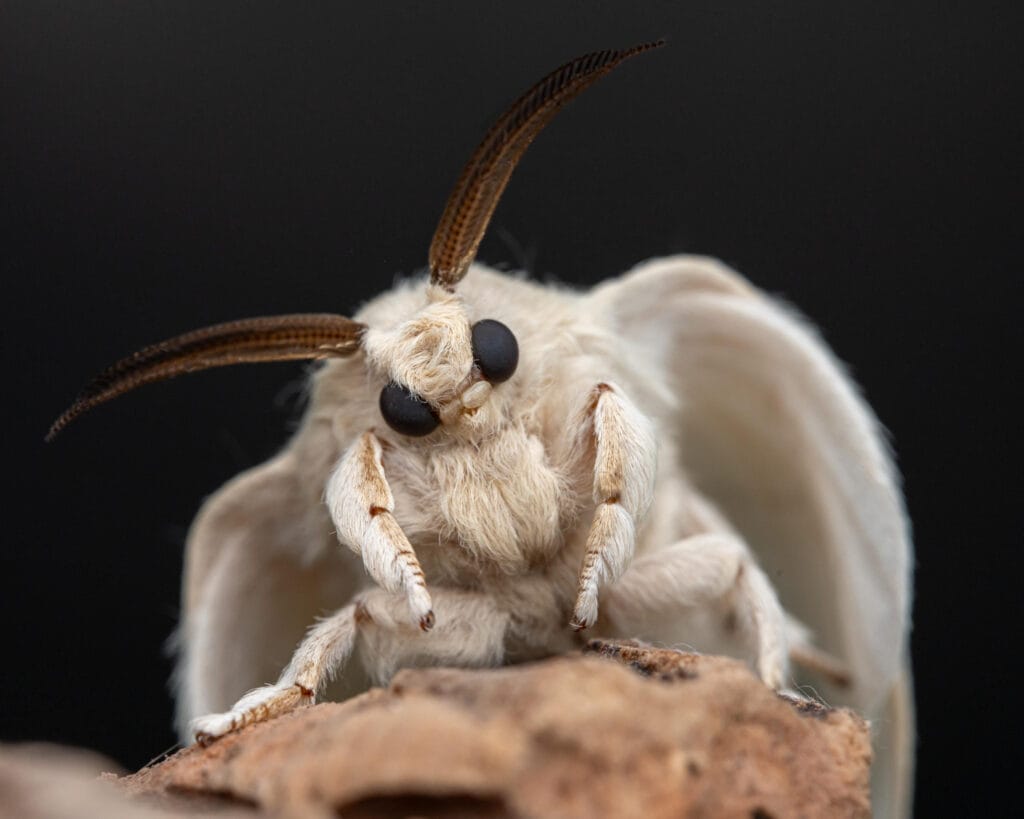
What Is the Silkmoth? Silkmoths (family Saturniidae) are large, beautiful moths found in North Carolina’s forests and residential areas. Species include the luna moth, cecropia moth, polyphemus moth, and promethea moth. Adults have large, broad wings spanning 3–6 inches with striking patterns and colors ranging from green to brown to reddish. Habitat & Behavior Adult […]
Pillbugs
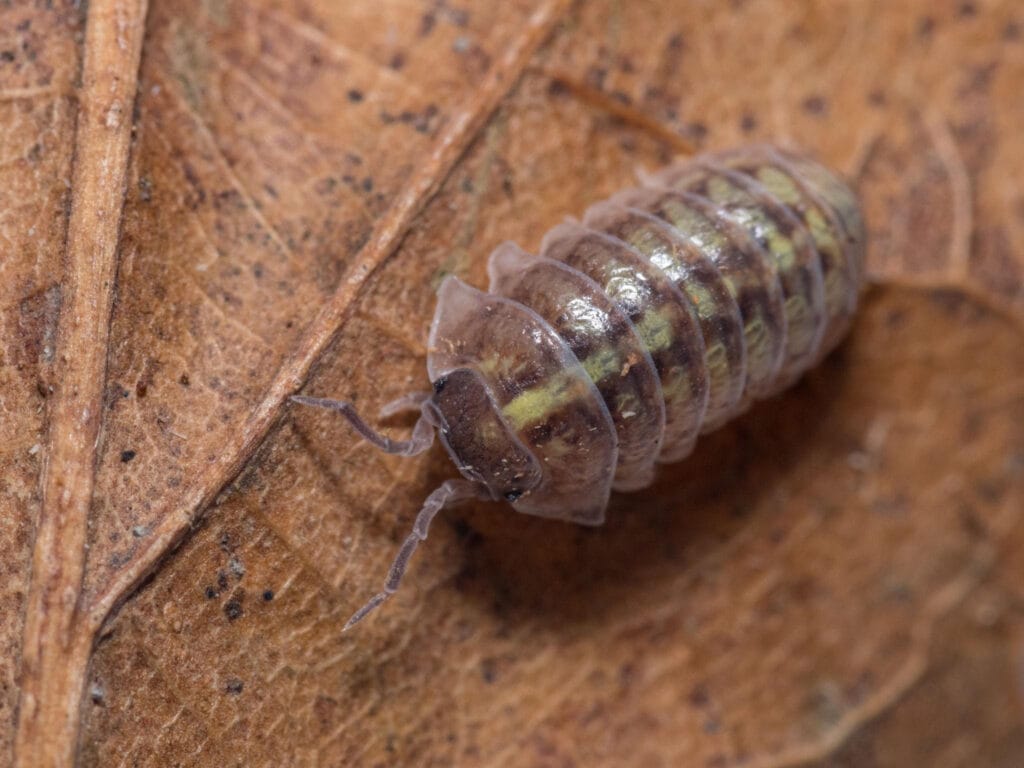
What Are Pillbugs? Pillbugs (Armadillidium vulgare), commonly called roly-polies or potato bugs, are not actually insects—they are terrestrial crustaceans related to shrimp and crabs. They are oval, dark gray, about 10–15 mm long, and can roll into a tight ball when threatened, which distinguishes them from their close relatives, sowbugs. Habitat & Behavior Pillbugs require […]
Pill Millipede
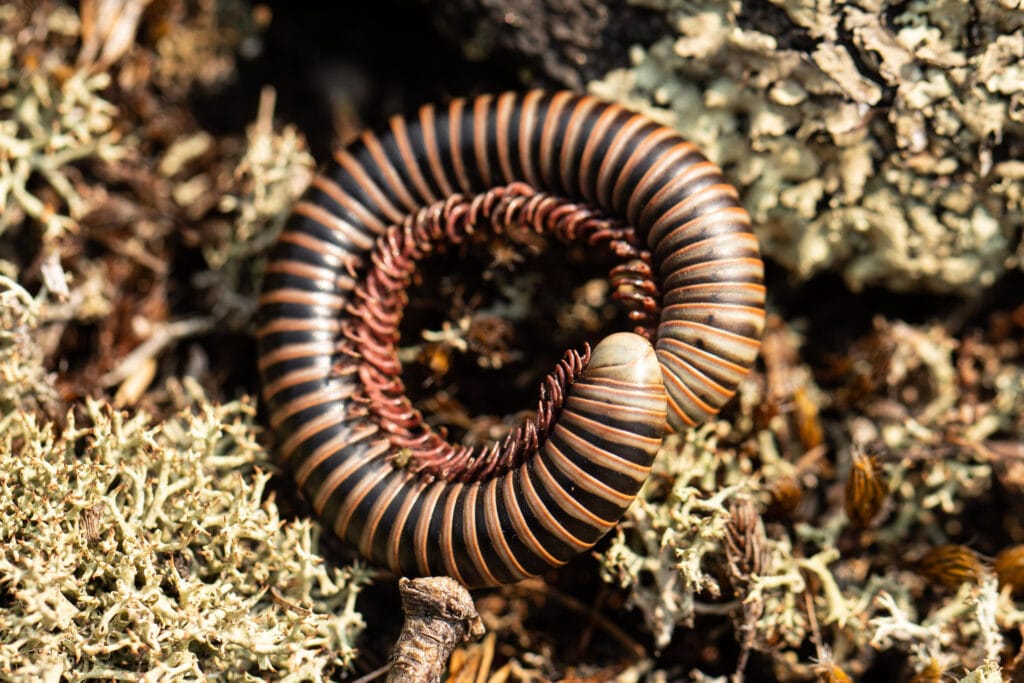
What Are Pill Millipedes? Pill millipedes (order Glomerida) are small, dark-colored arthropods that curl into a tight ball when disturbed—a behavior that often gets them confused with pillbugs (roly-polies). However, pill millipedes have more legs, a smoother, shinier exoskeleton, and are less flattened than pillbugs. Habitat & Behavior In North Carolina, pill millipedes are found […]
Pharaoh Ants
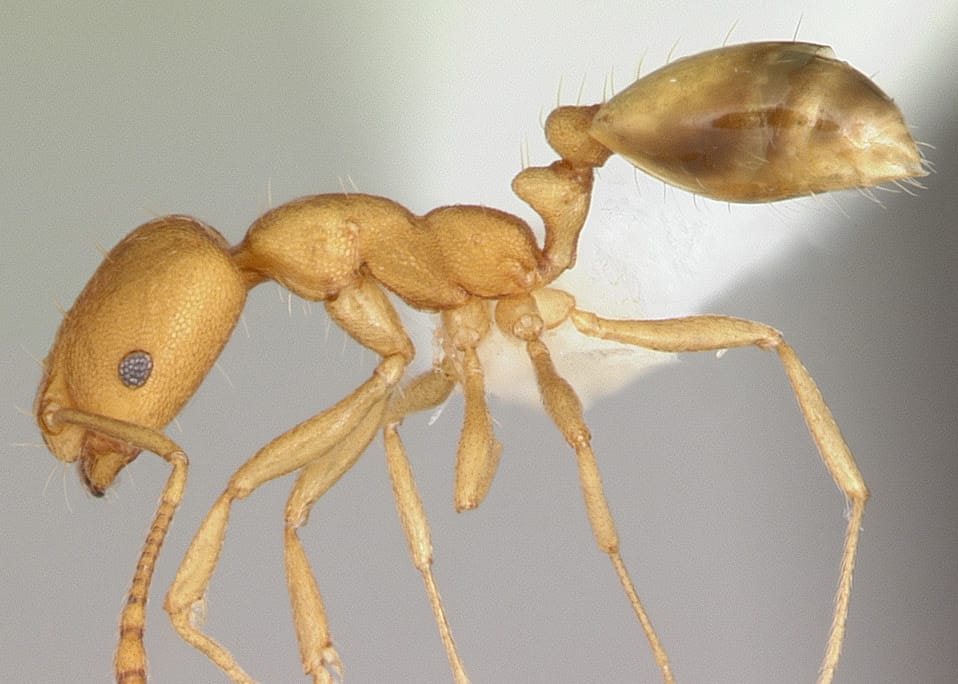
What Are Pharaoh Ants? Pharaoh ants (Monomorium pharaonis) are tiny (about 2 mm), yellow to light brown ants that are among the most difficult household pests to control in North Carolina. Despite their small size, they pose serious problems in homes, hospitals, and food establishments. Habitat & Behavior Pharaoh ants nest in warm, humid, hidden […]