
Pavement Ants
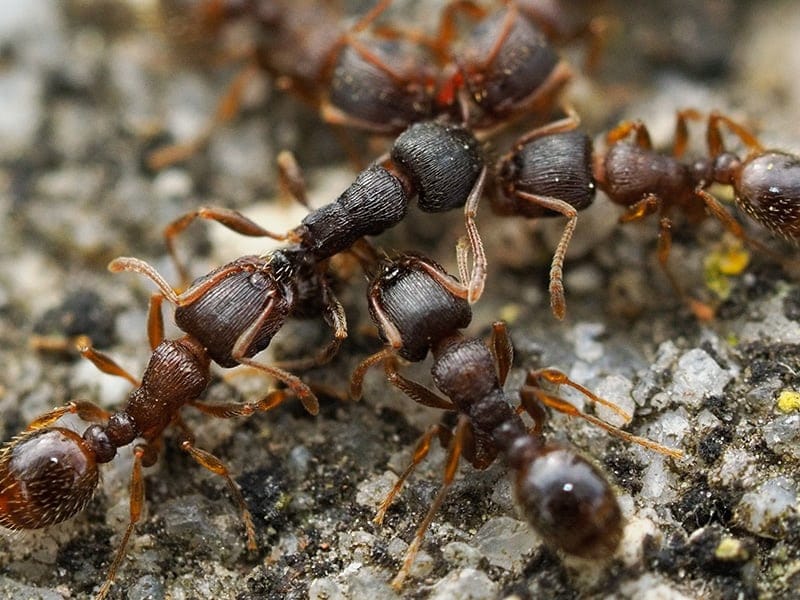
What Are Pavement Ants? Pavement ants (Tetramorium immigrans) are one of the most common ant species in North Carolina. They are small (about 3 mm), dark brown to black, with parallel grooves on their head and thorax visible under magnification. They get their name from their habit of nesting under sidewalks, driveways, and building foundations. […]
Oriental Rat Fleas
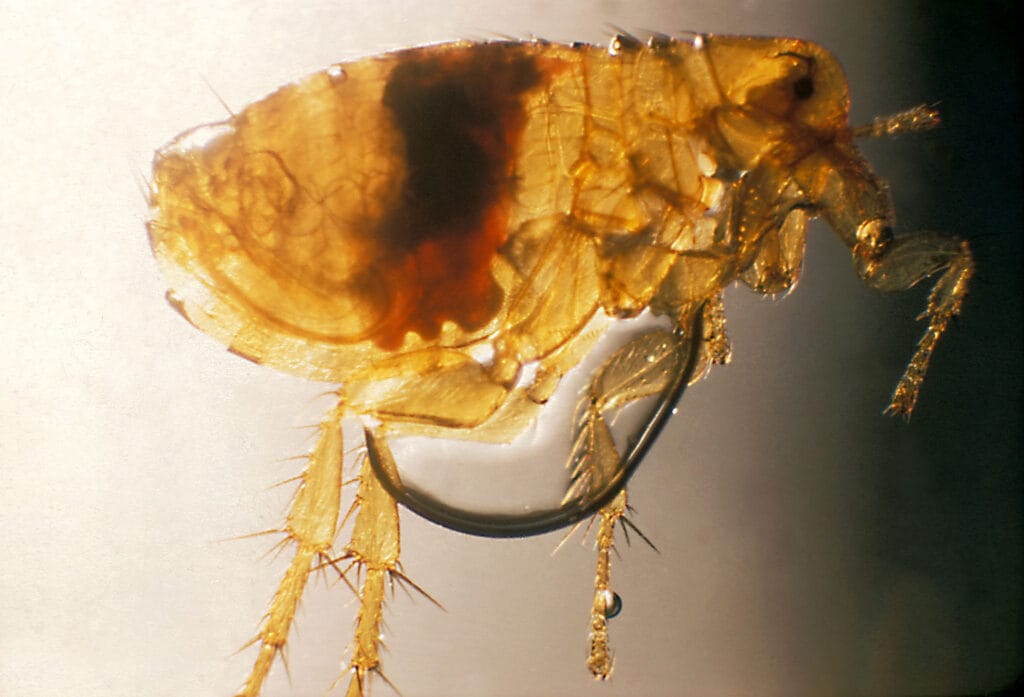
What Are Oriental Rat Fleas? The oriental rat flea (Xenopsylla cheopis) is historically one of the most medically significant insects, having been the primary vector of bubonic plague (the “Black Death”). While plague is extremely rare in the eastern United States today, oriental rat fleas remain a concern in North Carolina wherever rats are present. […]
Oriental Cockroach
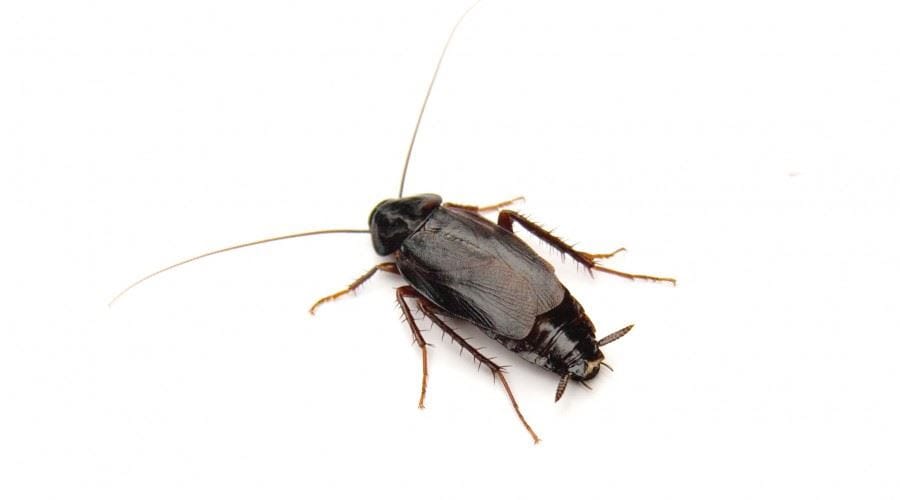
What Is the Oriental Cockroach? The oriental cockroach (Blatta orientalis), sometimes called a “water bug,” is a large, dark cockroach species found in North Carolina. Adults are shiny black to dark reddish-brown and measure about 25–30 mm long. Males have shortened wings covering about three-quarters of their abdomen, while females have only small wing pads. […]
Odorous House Ants
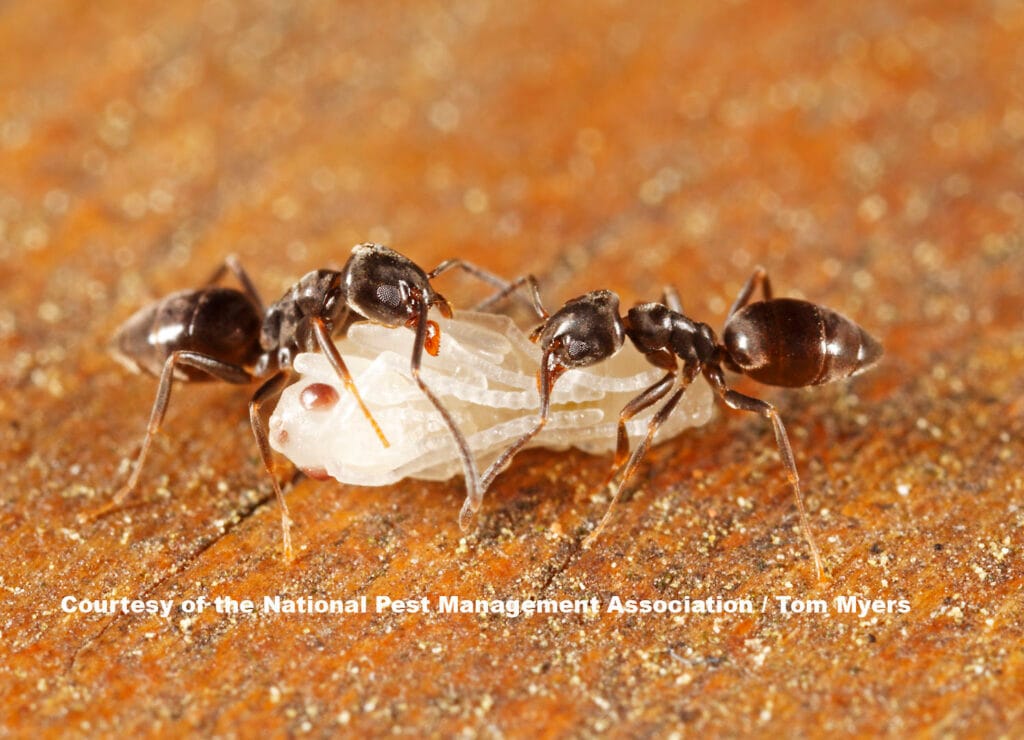
What Are Odorous House Ants? Odorous house ants (Tapinoma sessile) are one of the most common ant invaders in North Carolina homes. These small, dark brown to black ants (about 2.5–3 mm) get their name from the rotten coconut-like smell they produce when crushed. They form long trailing lines along baseboards, countertops, and cabinets. Habitat […]
Northern Mole Crickets
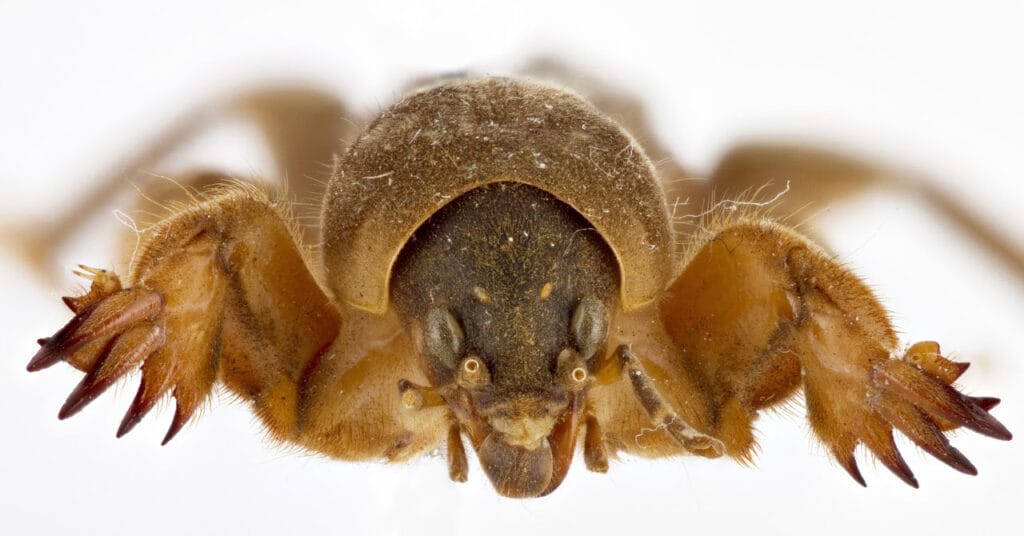
What Are Northern Mole Crickets? Northern mole crickets (Neocurtilla hexadactyla) are unusual-looking insects adapted for a subterranean lifestyle. They have stout, cylindrical bodies about 25–35 mm long, velvety brown coloring, and powerful, shovel-like front legs designed for digging through soil. Habitat & Behavior In North Carolina, mole crickets are most active from spring through fall. […]
Lone Star Tick
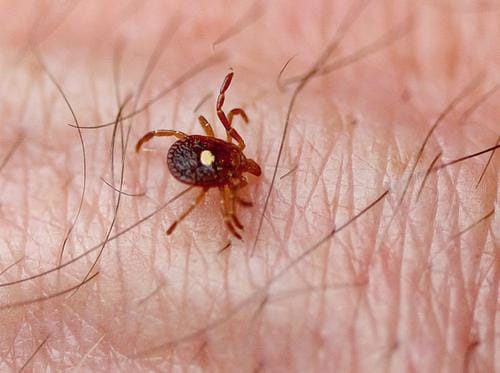
What Is the Lone Star Tick? The lone star tick (Amblyomma americanum) is the most frequently encountered tick species in North Carolina. Females are easily identified by a single white spot or “lone star” on the center of their brown backs. Males have scattered white streaks along the edges of their bodies. Adults are about […]
Locust Borer Beetle
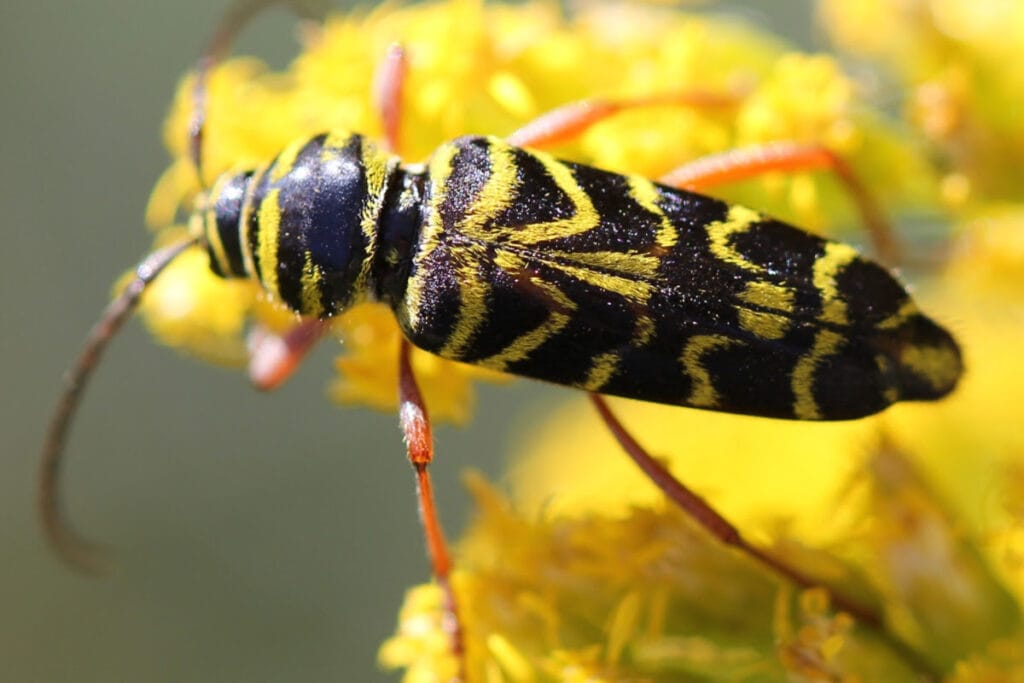
What Is the Locust Borer Beetle? The locust borer beetle (Megacyllene robiniae) is a striking wood-boring beetle found in North Carolina. Adults are about 20 mm long, black with bright yellow bands in a W-pattern across their wing covers, closely mimicking the appearance of a wasp. They are most commonly seen in late summer and […]
Little Black Ants
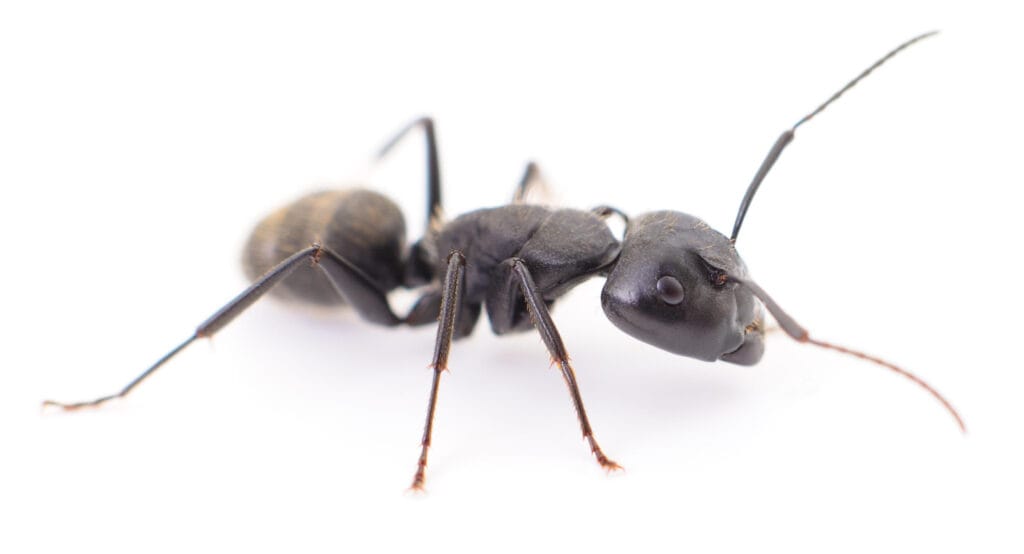
What Are Little Black Ants? Little black ants (Monomorium minimum) are among the most common household ants in North Carolina. True to their name, they are very small (about 1.5 mm) and uniformly dark brown to jet black. They form orderly single-file trails along baseboards, countertops, and cabinet edges. Habitat & Behavior These ants nest […]
Japanese Beetle
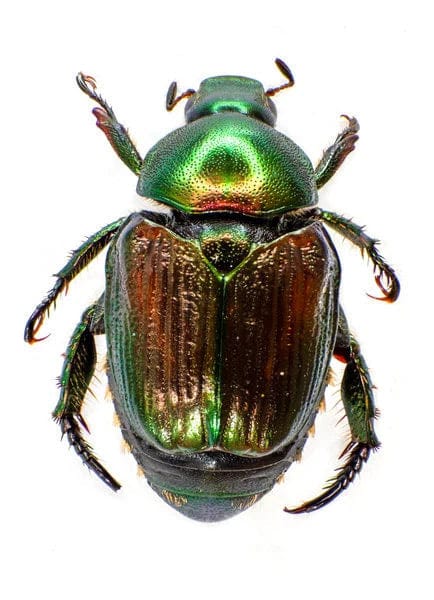
What Is the Japanese Beetle? Japanese beetles (Popillia japonica) are a destructive invasive pest in North Carolina, attacking over 300 plant species. Adults are about 10 mm long with a metallic green head and thorax, copper-brown wing covers, and distinctive tufts of white hair along the sides of their abdomen. Habitat & Behavior Adult Japanese […]
Indianmeal Moth
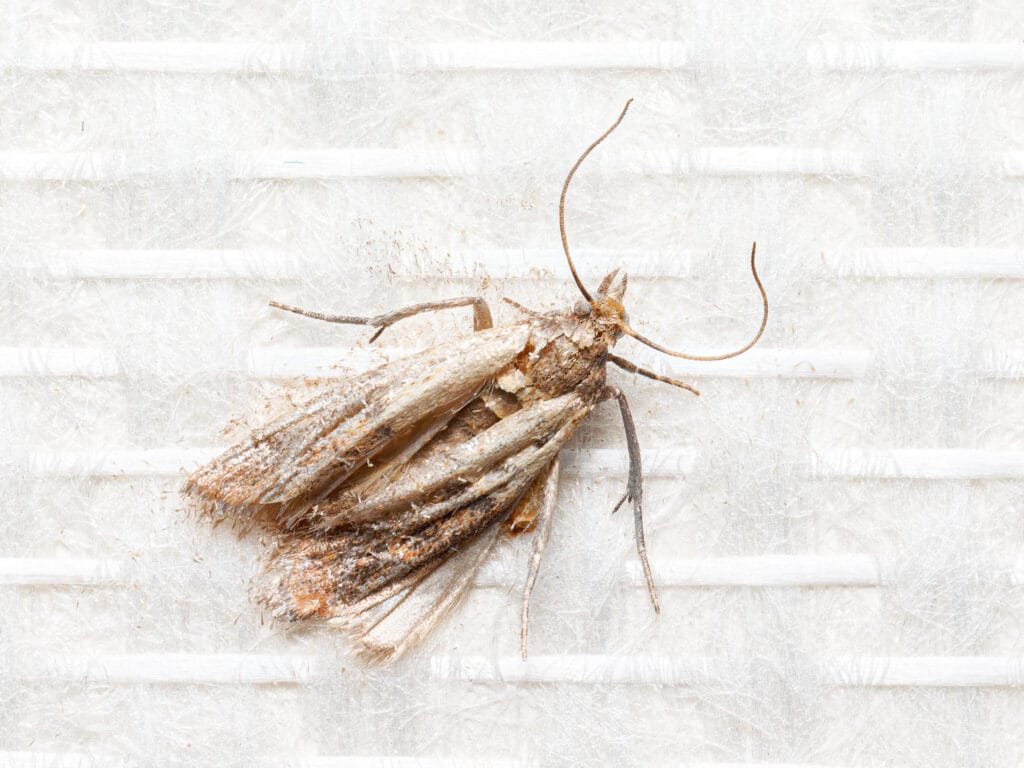
What Is the Indianmeal Moth? The Indianmeal moth (Plodia interpunctella) is the most common stored-product pest in North Carolina homes. Adults have distinctive two-toned wings—the outer half is reddish-brown or copper while the inner half near the body is pale gray. They measure about 8–10 mm long with a wingspan of 16–20 mm. Habitat & […]